

 See My Latest Article on HelloNation
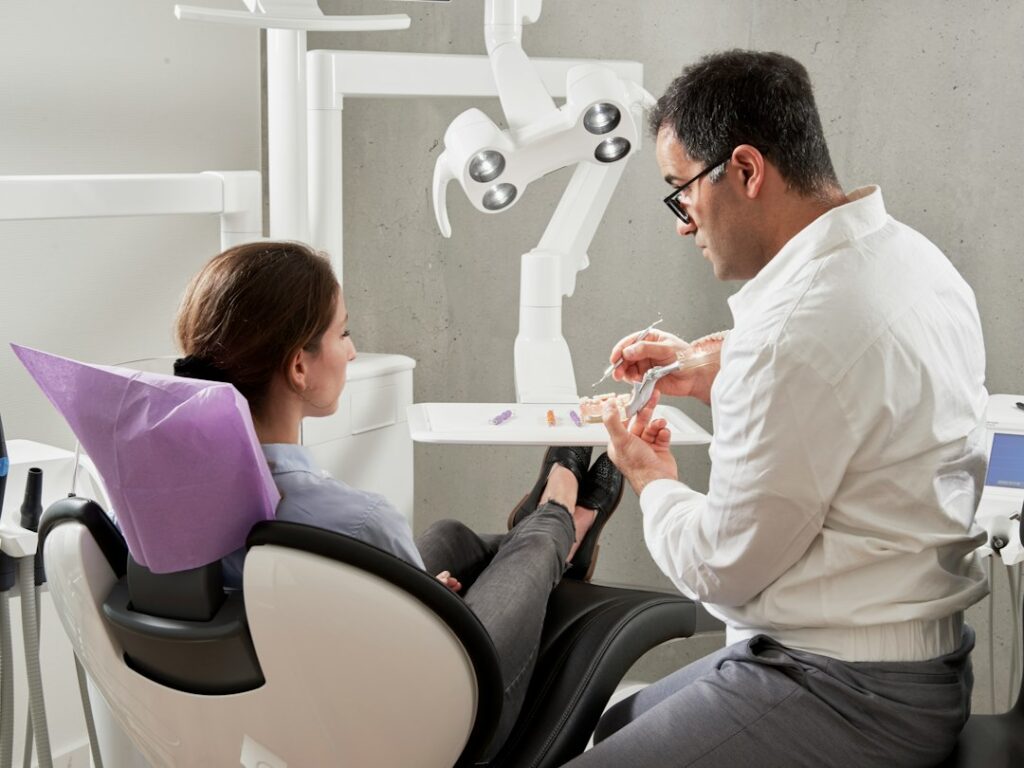
Missing teeth can affect chewing, speech, nutrition, confidence, and the comfort of everyday life. For many older adults, dental implants are one possible way to replace missing teeth, but age alone does not determine whether treatment is appropriate. Overall health, jawbone condition, gum health, medications, and the ability to maintain daily oral hygiene usually matter more than the number of birthdays. ([nia.nih.gov](https://www.nia.nih.gov/health/teeth-and-mouth/taking-care-your-teeth-and-mouth?utm_source=openai))
Are dental implants safe for seniors?
For many healthy older adults, dental implants can be a safe and effective treatment. An implant is a small post placed in the jawbone to support a crown, bridge, or implant-retained denture. Over time, the surrounding bone can bond with the implant in a process called osseointegration. ([perio.org](https://www.perio.org/for-patients/periodontal-treatments-and-procedures/dental-implant-procedures/?utm_source=openai))
However, “safe” does not mean risk-free. A careful evaluation is needed before treatment, particularly for people with:
- Poorly controlled diabetes
- Active gum disease
- Significant bone loss
- A history of radiation involving the jaw
- Heavy tobacco use
- Conditions or medications that affect healing or immune function
- Difficulty maintaining oral hygiene independently
Older adults may also take several prescription and over-the-counter medications. A complete medication list helps the dental team identify possible effects on bleeding, healing, dry mouth, and medication interactions. ([ada.org](https://www.ada.org/resources/ada-library/oral-health-topics/aging-and-dental-health?utm_source=openai))
Is age itself a reason to avoid implants?
No. A person in their 70s, 80s, or beyond may be a candidate if general health and oral conditions are favorable. A younger person with uncontrolled medical problems or severe gum disease may face greater risks than an older adult whose conditions are stable.
The more useful question is not, “Am I too old?” but, “Can my mouth and body support healing, and can the implant be maintained over time?” This includes considering dexterity, vision, memory, transportation, caregiver support, and the ability to attend follow-up visits.
For residents in Midland, practical planning may also include extended periods away from home, seasonal travel, or living in a household where a family member helps with medications and daily care. Those factors do not automatically prevent treatment, but they should be discussed before a multi-stage procedure begins.
What health conditions should seniors discuss first?
Diabetes
Controlled diabetes does not automatically rule out implants. The American Dental Association reports that implant placement is generally considered safe and reliable in people with properly controlled diabetes. Poorly controlled blood sugar can delay healing and increase the risk of inflammation around an implant. ([ada.org](https://www.ada.org/resources/ada-library/oral-health-topics/diabetes?utm_source=openai))
Recent blood-sugar results, including an HbA1c value when relevant, may be part of the risk assessment. Good home care and regular monitoring remain important after treatment.
Osteoporosis and bone medications
Osteoporosis itself does not necessarily make implants impossible. The medication used to treat it matters. Bisphosphonates and other antiresorptive medicines have been associated with a rare but serious jaw complication called medication-related osteonecrosis of the jaw.
This does not mean a person should stop osteoporosis medication or automatically avoid dental surgery. The prescribing clinician and dental team should review the medication name, dose, duration, and reason for treatment. Medication changes should never be made independently.
Heart disease and blood thinners
Many older adults take aspirin, warfarin, apixaban, rivaroxaban, or other medicines that affect clotting. These medications can often be managed safely, but they should not be stopped without instructions from the prescribing clinician. The dental team may need recent medical information or laboratory results before surgery.
Dry mouth
Dry mouth is common among older adults because of medications and certain health conditions. It raises the risk of cavities, irritation, and difficulty wearing removable appliances. Dry mouth is not simply an unavoidable part of aging and should be addressed as part of the treatment plan. Fluoride toothpaste, hydration, saliva-support products, and medication review may help. ([mouthhealthy.org](https://www.mouthhealthy.org/life-stages/adults/dental-health-concerns-adults-over-60?utm_source=openai))
What happens if there is not enough jawbone?
After a tooth is removed, the jawbone in that area may gradually shrink. If the remaining bone is too thin or short, additional treatment may be considered before implant placement. This may include bone grafting or a procedure designed to reshape and strengthen the implant site. ([perio.org](https://www.perio.org/for-patients/periodontal-treatments-and-procedures/dental-implant-procedures/?utm_source=openai))
Bone loss does not always eliminate the possibility of implants, but it can make treatment longer, more complex, or less predictable. Imaging is used to evaluate bone volume, nearby anatomical structures, and the position of neighboring teeth.
A removable partial denture, conventional bridge, or implant-supported denture may be reasonable alternatives depending on the number of missing teeth, oral anatomy, budget, maintenance needs, and personal preferences.
How long does implant treatment take?
Treatment may involve several stages:

1. Examination, medical review, and imaging
2. Treatment of infection or gum disease, if present
3. Tooth removal or bone preservation when needed
4. Implant placement
5. A healing period while the implant bonds with bone
6. Placement of the final crown, bridge, or denture
Some cases move faster, while others require several months. Healing time varies according to the person’s bone quality, medical conditions, smoking status, and the type of restoration being planned. The replacement tooth may be placed at the same visit as the implant in selected cases, but that is not appropriate for everyone. ([mouthhealthy.org](https://www.mouthhealthy.org/all-topics-a-z/implants?utm_source=openai))
Are implants easier to care for than dentures?
Implants are fixed in the jaw, but they are not maintenance-free. They still require brushing, cleaning between teeth, and regular examinations. Plaque can cause inflammation and bone loss around an implant, a condition often called peri-implant disease. ([perio.org](https://www.perio.org/for-patients/periodontal-treatments-and-procedures/dental-implant-procedures/?utm_source=openai))
Some older adults find fixed teeth easier to use than dentures because they do not move during chewing. Others may prefer removable appliances because they are simpler to clean, less invasive, or easier to replace if health circumstances change.
Hand strength, arthritis, tremor, and vision should be considered. A person who has trouble holding a toothbrush or cleaning under a bridge may need an adapted handle, an oral irrigator, interdental brushes, or assistance from a caregiver.
Does smoking affect implant success?
Yes. Tobacco use can slow healing and reduce the likelihood of successful implant treatment. It also increases the risk of gum disease and bone loss around natural teeth and implants. Reducing or stopping tobacco use before surgery and during healing can improve the oral environment. ([mouthhealthy.org](https://www.mouthhealthy.org/life-stages/adults/healthy-habits-adults-over-60?utm_source=openai))
The dry, windy conditions often experienced in the Midland area can also make mouth dryness more noticeable for some residents, especially when combined with medications or inadequate fluid intake. Water, saliva-support measures, and professional guidance may help protect the mouth, but persistent dryness deserves evaluation.
What questions should an older adult ask before deciding?
Useful questions include:
- What is causing the tooth loss, and has the underlying problem been treated?
- Is there active gum disease or infection?
- Is the jawbone adequate for the planned implant?
- Which medications or medical conditions could affect healing?
- Would a bridge, partial denture, or implant-supported denture be more practical?
- Who will help with cleaning if hand strength, vision, or memory becomes limited?
- What maintenance will be needed over the years?
- What symptoms after surgery require prompt attention?
The most suitable tooth-replacement plan is the one that fits both oral health and daily life. For seniors in Midland, that may mean choosing implants, a removable option, or a staged approach that preserves comfort and function while accounting for long-term medical and caregiving needs.