

 See My Latest Article on HelloNation
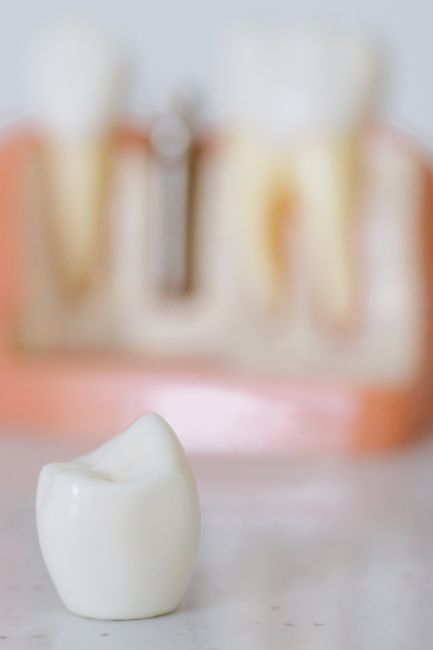
Dental implants can replace one missing tooth, several teeth, or a full arch of teeth. They are not automatically the right choice for everyone, but certain health, oral-care, and lifestyle factors make successful treatment more likely.
A dental implant is a small post placed in the jawbone. After healing, it supports a crown, bridge, or denture. Because the implant must bond with surrounding bone, candidacy depends on more than the appearance of a missing tooth.
Do you have one or more missing teeth?
The clearest sign that implants may be worth considering is the loss of a tooth or teeth that affect chewing, speech, comfort, or confidence. Implants may be used for:
- A single missing tooth
- Several missing teeth in different areas
- A row of missing teeth supported by an implant bridge
- Dentures that need additional stability
- Teeth that are too damaged to restore predictably
An implant is not always necessary. A conventional bridge, removable partial denture, or complete denture may also be appropriate, depending on the condition of the surrounding teeth, bone, gums, and overall health. The best option is the one that fits the person’s anatomy, priorities, maintenance ability, and long-term needs.
Are your gums reasonably healthy?
Healthy gum tissue is a major part of implant candidacy. Active gum disease can damage the bone that supports natural teeth and implants alike. Signs that gum disease may need attention first include bleeding during brushing, persistent swelling, gum recession, loose teeth, unpleasant taste, or ongoing bad breath.
A history of periodontal disease does not automatically rule out implants. It does mean the disease generally needs to be treated and controlled before implant placement. Long-term maintenance also matters because inflammation around an implant can lead to bone loss, a condition commonly called peri-implantitis. The American Dental Association describes tobacco use, diabetes control, plaque levels, and periodontal history as factors that can affect periodontal and implant-related outcomes. ([ada.org](https://www.ada.org/resources/ada-library/oral-health-topics/periodontitis?utm_source=openai))
Do you have enough jawbone, or could the area be rebuilt?
Implants require sufficient bone for support. Bone loss can occur after a tooth is removed, particularly when many years have passed. Gum disease, injury, infection, or wearing a denture for a long time can also change the shape and volume of the jaw.
A person with reduced bone is not necessarily excluded from treatment. In some cases, bone grafting or another preparatory procedure may make implant placement possible. These procedures can add healing time and may change the overall treatment plan.
Imaging is used to evaluate bone height, width, and nearby structures. A clinical examination may also assess the position of nerves, the shape of the jaw, the condition of neighboring teeth, and whether an infection is present.
Can you maintain daily oral hygiene?
Implants do not develop cavities in the same way natural teeth do, but they still require careful cleaning. Plaque can collect around the gumline and implant components, causing inflammation and potentially damaging supporting tissue.
Good candidates are generally willing and able to:
- Brush consistently with a soft-bristled toothbrush
- Clean between teeth and around implant-supported restorations
- Attend periodic dental maintenance visits
- Follow instructions during the healing period
- Address signs of swelling, bleeding, pain, or looseness rather than ignoring them
This daily routine can be especially important for households in Midland, where dry weather and seasonal dust may contribute to mouth dryness for some people. Dry mouth is not a reason to avoid implants, but it can raise the risk of decay, irritation, and difficulty keeping oral tissues comfortable.
Is your general health stable enough for healing?
Age alone usually does not determine whether someone can receive dental implants. Overall health and the ability to heal are more relevant. Certain medical conditions can increase risk or require additional planning.
Examples include:
- Poorly controlled diabetes
- Conditions that weaken the immune system
- A history of radiation involving the jaws
- Medications that affect bone metabolism
- Significant bleeding or clotting problems
- Serious cardiovascular or other medical conditions requiring coordinated care
Having one of these conditions does not automatically mean implants are impossible. The effect depends on the condition, its severity, current treatment, and how well it is controlled. The American Dental Association notes that some chronic illnesses may interfere with healing and that medical evaluation may be appropriate before implant surgery. ([mouthhealthy.org](https://www.mouthhealthy.org/all-topics-a-z/implants?utm_source=openai))
A complete health history should include prescription medications, over-the-counter drugs, supplements, allergies, previous surgeries, and tobacco or nicotine use.
Are you willing to reduce or stop tobacco use?
Smoking and other tobacco use can interfere with healing, affect gum health, and increase the likelihood of implant complications. Research summarized by the American Dental Association has associated heavier smoking with lower implant survival and greater bone loss compared with nonsmoking. ([adanews.ada.org](https://adanews.ada.org/huddles/smoking-could-compromise-implant-health/?utm_source=openai))
This does not mean every tobacco user is permanently disqualified. It does mean tobacco use should be discussed honestly before treatment. A temporary period without smoking may be recommended around surgery, and long-term reduction or cessation can improve oral and general health.
Smokeless tobacco also presents oral risks, including gum injury, bone damage, periodontal disease, and tooth loss. ([ada.org](https://www.ada.org/resources/ada-library/oral-health-topics/tobacco-use-and-cessation?utm_source=openai))
Can you commit to a treatment process that may take time?
Dental implants are usually completed in stages rather than during a single brief visit. Depending on the case, the process may include tooth removal, healing, bone grafting, implant placement, a period of bone integration, and placement of the final crown, bridge, or denture.
Some people receive temporary teeth during part of the process. Others may need to wait several months before the final restoration is attached. The timeline depends on bone quality, infection, the number of implants, medical factors, and the type of restoration planned. ([mouthhealthy.org](https://www.mouthhealthy.org/all-topics-a-z/implants?utm_source=openai))
A person may be a good biological candidate but still prefer another option because of treatment length, surgery, maintenance requirements, or cost. Those preferences are part of informed decision-making.
What does not automatically disqualify someone?
Several common assumptions are too broad:
- Older age: Many older adults can receive implants if their health and bone support are suitable.
- A history of bone loss: Grafting or alternative treatment planning may address limited bone.
- Diabetes: Controlled diabetes may be compatible with implant treatment, while poor control can raise healing concerns.
- Previous dentures: Denture use does not automatically prevent implant treatment.
- A past history of gum disease: Treated, stable periodontal disease is different from active disease.
- Anxiety about surgery: Sedation and pain-control options may be discussed when medically appropriate, although they do not replace careful screening.
How is candidacy actually determined?
A proper evaluation combines the patient’s goals with clinical findings. It may include a medical and dental history, gum examination, assessment of existing teeth, dental imaging, and discussion of habits that affect healing.
The central questions are:
- Is the mouth free of active infection or uncontrolled gum disease?
- Is there enough bone, or is reconstruction realistic?
- Can the person heal safely?
- Can the restoration be cleaned and maintained?
- Is an implant more suitable than a bridge or denture for this situation?
For residents of Midland, these questions are more useful than relying on age, online photographs, or a single symptom. Missing teeth may make implants worth exploring, but candidacy is ultimately determined by bone, gum health, medical stability, tobacco exposure, hygiene, and realistic expectations.