

 See My Latest Article on HelloNation
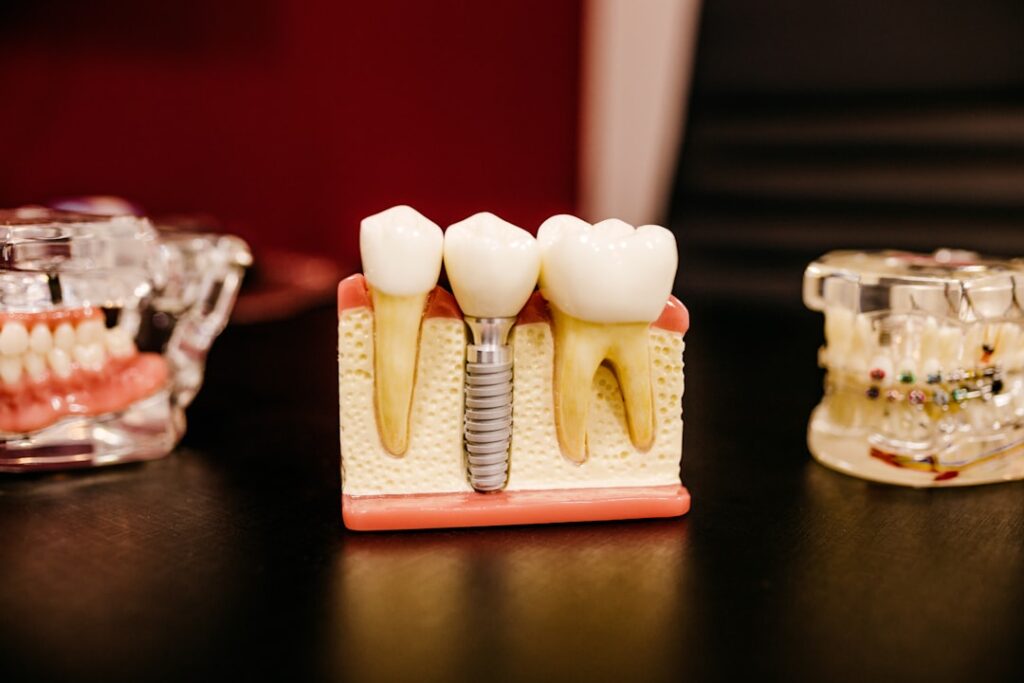
Can Anyone in Midland, TX Get Dental Implants?
Not all residents in Midland, TX are ideal candidates for dental implants. Safe and successful implant placement depends on a person's overall health, oral conditions, and habits. Dentists carefully assess these factors before recommending implants as an option.
Which Health Conditions Affect Implant Safety?
Some health issues make dental implants riskier or less predictable. People with uncontrolled diabetes, certain immune disorders, or recent cancer treatments may heal more slowly, raising the risk of complications. Anyone with ongoing heart issues, recent strokes, or untreated oral infections should have those conditions evaluated and stabilized first.
Medications also matter. For example, some drugs that affect bone density or immune response can complicate healing. Residents taking oral bisphosphonates or certain steroids should let their dentist know and discuss possible alternatives or extra precautions.
Can Bone Loss Prevent Getting Implants?
Yes, adequate jawbone is essential for anchoring an implant securely. In some people, especially after years of missing teeth, bone in the jaw naturally thins or shrinks. Midland's dry climate generally has little direct effect on bone health, but the prevalence of water with higher mineral content may contribute slightly to local oral conditions.
If a resident’s jawbone is too thin or soft, bone grafting is sometimes possible to rebuild support. This can make implants possible for more people, but it adds steps and healing time.
Does Age Matter for Dental Implants?
Adults of nearly any age can safely receive implants if their health and bone quality are strong. Older adults living independently or with good medical care often do fine, as long as they are healthy enough for minor oral surgery.
Implants are not recommended for children or teens whose jawbones are still developing, typically until late adolescence.
How Do Smoking or Vaping Impact Implant Success?
Smoking, whether cigarettes or vaping, reduces the odds of a dental implant healing properly. Nicotine restricts blood flow, which the body needs for healing gums and bone. In Midland, where outdoor activities and social tobacco use are part of the culture for some, smokers should be aware that quitting—at least temporarily—can be crucial for implant success. Even smokeless tobacco can harm gum health around implants.
What If I Have Gum Disease or Poor Oral Hygiene?
Healthy gums are critical before considering implants. Active gum disease (periodontal disease) can weaken bone and tissue, raising the chance of implant failure. Local residents are sometimes surprised that even “just a little bleeding” can signal problems needing treatment before implants are an option.
Good daily home care and regular professional cleanings can help keep implants healthy after placement and prolong their success.
Are Implants Safe for People With Allergies?
Most implants are made from titanium, which is generally biocompatible and rarely causes allergic reactions. However, for the small number of people with known metal hypersensitivity, dentists can request allergy-safe alternatives, such as ceramic implants.
Midland’s allergy season does not affect implant safety, but people who have adverse reactions to metals elsewhere on the body should mention this during their dental evaluation.
Are There Situations Where Implants Aren’t Advised?
Yes, certain circumstances may make dental implants less suitable:
- Pregnancy, since elective surgery is usually delayed until after delivery
- Active cancer therapy, especially radiation near the jaw
- Heavy, uncontrolled grinding or clenching teeth (bruxism) without management solutions
- Certain mental or physical disabilities that interfere with aftercare or hygiene capabilities

In these cases, other dental solutions might be safer or require long-term planning.
What Should Local Residents Expect From the Evaluation Process?
A thorough evaluation before implant treatment includes a review of medical history, a physical oral exam, and imaging—usually X-rays or 3D scans—to check bone levels and adjacent teeth. Midland residents can expect personalized recommendations that weigh both their health and lifestyle when deciding if implants are a reasonable choice.
Some people are surprised by how thorough these initial visits are, but the extra steps help avoid problems down the road. Asking about alternatives, expected recovery, and any outlying risks is always encouraged.
Common Myths and Misunderstandings
There are a few persistent myths about who can or cannot get dental implants:
- Age alone rarely disqualifies a person—health is more important than years
- Dentures and bridges remain options for those who are not candidates for implants
- Dental implants are not risk-free, but modern materials and planning make complications far less common than in the past
Local households sometimes assume implants are “one size fits all,” but personalized assessment makes a substantial difference in safety and satisfaction.
How Does Midland’s Lifestyle Influence Implant Considerations?
Many households in Midland enjoy active outdoor recreation, semi-rural hobbies, or jobs that can lead to bumps or trauma to the mouth. Those at higher risk for oral injury may want to discuss protective mouthguards or similar steps after getting implants. The region’s hot, dry weather may also mean that extra attention to hydration and oral hygiene is warranted, especially during healing.
Local water and dietary habits (for instance, diets higher in certain minerals common in the area) rarely limit candidacy, though they do shape oral care recommendations.
What’s the Bottom Line on Safety and Suitability?
Dental implants can be a safe, reliable option for many adults in Midland, provided their health, oral condition, and habits support healing. Careful planning and honest discussion of medical history goes a long way toward making the process smooth and successful. For those who aren’t suitable candidates, other dental treatments are available to restore function and comfort.