

 See My Latest Article on HelloNation
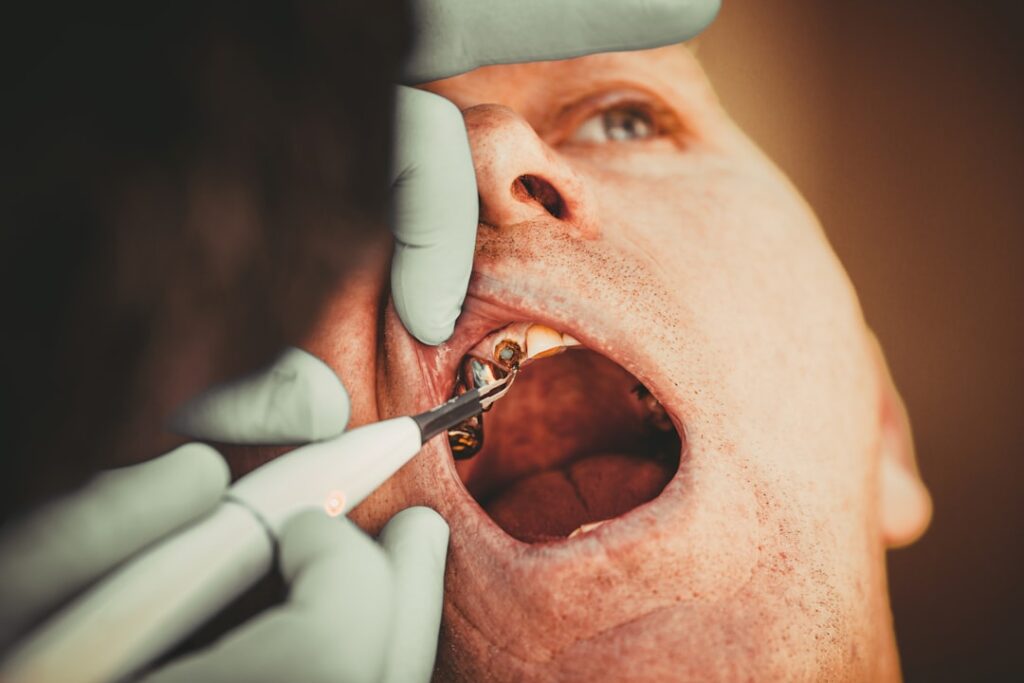
Dental implant healing is a gradual process in which the gums recover, the jawbone bonds with the implant, and the final replacement tooth is attached after the implant becomes stable. For many patients, the visible soreness improves within days, but the deeper bone-healing phase can continue for several months. ([my.clevelandclinic.org](https://my.clevelandclinic.org/health/treatments/10903-dental-implants?utm_source=openai))
What happens immediately after implant placement?
The first stage begins as soon as the implant is placed into the jawbone. A blood clot forms around the surgical area, and the body sends platelets, immune cells, and signaling proteins to begin repair. This early inflammatory response is a normal part of healing, not automatically a sign of infection. ([pmc.ncbi.nlm.nih.gov](https://pmc.ncbi.nlm.nih.gov/articles/PMC10685082/?utm_source=openai))
During the first several days, it is common to experience:
- Mild bleeding or oozing
- Swelling around the gums or face
- Tenderness when chewing
- Bruising in some cases
- Temporary difficulty opening the mouth fully
Swelling often becomes more noticeable during the first two or three days before gradually improving. Following the written instructions provided after surgery is more reliable than comparing recovery with another person’s experience.
Residents in Midland may also need to account for hot, dry weather during recovery. Physical activity, outdoor heat exposure, and inadequate fluid intake can make the early recovery period feel more uncomfortable. Rest, hydration, and avoiding strenuous activity as directed can help support a smoother first week.
What is the first week of healing like?
The gum tissue begins closing over or around the surgical site during the first week. Sutures may be present, and a temporary tooth or other temporary restoration may sometimes be used, depending on the implant’s location and the treatment plan.
The first week is mainly about protecting the wound and allowing the soft tissue to settle. Typical instructions may include:
- Eating softer foods for a period of time
- Chewing away from the surgical area
- Avoiding smoking or nicotine products
- Keeping the mouth clean without disturbing the site
- Taking prescribed or recommended medications exactly as directed
- Avoiding strenuous exercise until cleared
A temporary tooth does not necessarily mean the implant is ready for normal biting pressure. It may be designed primarily for appearance or limited function while the bone continues healing.
What does osseointegration mean?
Osseointegration is the process by which living jawbone forms a stable connection with the implant surface. This biological attachment is different from the initial mechanical stability created when the implant is placed. The implant may feel secure at first, but the long-term foundation depends on new bone formation and later bone remodeling. ([pmc.ncbi.nlm.nih.gov](https://pmc.ncbi.nlm.nih.gov/articles/PMC9213185/?utm_source=openai))
The bone-healing process generally develops in overlapping phases:
1. Initial healing and inflammation: A blood clot forms, immune cells clear damaged tissue, and chemical signals organize the repair response.
2. New bone formation: Bone-forming cells move toward the implant and begin producing a new bone matrix.
3. Bone maturation: Early woven bone is gradually replaced or reinforced by stronger, more organized bone.
4. Remodeling: The bone adapts to the forces placed on the implant and continues changing over time.
Research describes early new bone formation within the first weeks, while more mature bone development and remodeling continue for months. ([pmc.ncbi.nlm.nih.gov](https://pmc.ncbi.nlm.nih.gov/articles/PMC9213185/?utm_source=openai))
How long does implant healing take?
The soft-tissue portion of recovery may take about a week to begin settling, while the jawbone usually needs much longer. Many patient resources describe osseointegration as taking approximately three to nine months, although the actual timeframe depends on bone quality, implant location, surgical complexity, and overall health. ([my.clevelandclinic.org](https://my.clevelandclinic.org/health/treatments/10903-dental-implants?utm_source=openai))
Healing may take longer when:
- Bone grafting was performed
- The implant was placed soon after tooth removal
- The jawbone is thin or has reduced density
- Several implants were placed
- Healing is affected by smoking, uncontrolled diabetes, or certain medications
- The implant is subjected to excessive movement or biting pressure too early

There is no single “normal” schedule for every patient. A back tooth, a front tooth, and an implant placed with bone grafting may each follow different timelines.
Why might the implant not receive a permanent crown right away?
The final crown, bridge, or denture is usually attached after the implant has demonstrated adequate stability. Placing substantial chewing pressure on an implant before the surrounding bone has sufficiently healed can interfere with integration.
Some treatment plans use immediate or early loading when the implant has strong initial stability and other conditions are favorable. That does not mean the bone has skipped its healing stages. It means the restoration and bite have been carefully managed while biological healing continues.
Follow-up visits may include an examination, review of symptoms, and sometimes imaging or stability assessment. A lack of pain alone does not prove that osseointegration is complete, and an implant that feels stable should still not be tested by deliberately biting hard objects.
What sensations are expected, and what deserves attention?
Mild soreness, tightness, swelling, and sensitivity are common during early healing. These symptoms should generally trend toward improvement rather than become progressively worse.
Prompt dental evaluation is appropriate if there is:
- Increasing pain after an initial improvement
- Swelling that continues to expand
- Fever or feeling generally ill
- Pus, persistent foul taste, or drainage
- Bleeding that does not respond to the provided instructions
- Numbness that is new, worsening, or persistent
- Noticeable movement of the implant or temporary restoration
- Difficulty swallowing or breathing
A loose implant is especially significant because mobility can indicate that the implant has not integrated properly. Clinical stability by itself cannot confirm complete osseointegration, so follow-up assessment remains important. ([pmc.ncbi.nlm.nih.gov](https://pmc.ncbi.nlm.nih.gov/articles/PMC3602536/?utm_source=openai))
What can patients do to protect healing?
The most useful habits are consistent rather than complicated. Keep the surgical area clean as instructed, avoid smoking, maintain adequate nutrition, and do not place extra pressure on the implant simply because discomfort has decreased.
Conditions such as diabetes, gum disease, and poor oral hygiene can affect implant health and bone healing. Long-term care also matters after the crown is attached. An implant cannot develop a cavity in the same way as a natural tooth, but the surrounding gums and bone can still become inflamed or infected.
For local households, practical planning may include arranging softer foods before surgery, limiting dusty outdoor projects during the first few days, and keeping follow-up visits on schedule. Healing is less about detecting a dramatic daily change and more about allowing the body to progress without unnecessary irritation or pressure.
What is the main takeaway about implant healing?
Dental implant healing has two related parts: the gums recover first, while the jawbone continues a slower process of integration and remodeling. Feeling better after several days does not mean the implant is ready for unrestricted chewing, and taking several months does not necessarily indicate a problem.
The safest expectations come from the specific implant location, bone condition, surgical procedure, and follow-up findings rather than from a calendar alone.