

 See My Latest Article on HelloNation
Dental implant recovery happens in stages. Most people manage the first several days with rest, soft foods, and prescribed or recommended pain relief, but the deeper healing process continues for several months while the implant bonds with the jawbone.
The overall timeline depends on the number of implants, the condition of the bone and gums, whether a tooth was removed at the same time, and whether bone grafting was needed. The schedule below describes a typical course, not a guarantee for every patient.
What happens immediately after implant surgery?
The first 24 hours are focused on protecting the surgical site and controlling bleeding, swelling, and discomfort. Numbness may continue for several hours, so care is needed to avoid biting the cheek, lip, or tongue.
Common early instructions include:
- Resting for the remainder of the day
- Keeping the head elevated while resting
- Applying a cold pack intermittently during the first several hours
- Eating cool, soft foods and avoiding chewing directly over the implant
- Avoiding vigorous rinsing, spitting, smoking, alcohol, and strenuous activity as directed
- Taking medications exactly as instructed
A small amount of blood-tinged saliva can be normal. Persistent bleeding that does not improve with firm pressure using clean gauze requires prompt dental guidance.
For residents of Midland, TX, dry and windy conditions can make the mouth feel uncomfortable, particularly if outdoor activity leads to dehydration. Drinking adequate fluids, while following any dietary restrictions, can support general recovery.
Days two through three: Why can swelling feel worse?
Swelling often reaches its highest point 24 to 48 hours after surgery rather than immediately afterward. Mild bruising, jaw stiffness, tenderness, and difficulty opening the mouth can also occur.
Pain should generally be manageable with the medication plan provided by the dental team. Increasing pain, rather than gradually improving discomfort, deserves attention. Avoid placing heat on the area unless specifically instructed, because heat may increase swelling during the early phase.
During these first few days:
- Choose foods such as yogurt, eggs, oatmeal, soup that is not hot, mashed vegetables, smoothies eaten with a spoon, and soft pasta.
- Avoid hard, sharp, sticky, spicy, or very hot foods.
- Do not use straws unless specifically permitted.
- Sleep with the head slightly elevated if swelling is bothersome.
- Limit bending, heavy lifting, and vigorous exercise.
People with physically demanding jobs may need more recovery time than those with desk-based work. Sedation, multiple implants, or additional procedures can also affect how quickly normal activities resume.
The first week: What should feel better?
By about one week, many people notice that swelling and soreness are clearly improving. The gum tissue may still be tender, and chewing near the implant may remain uncomfortable.
A follow-up visit is commonly scheduled within one to two weeks. During this visit, the dental team may evaluate the incision, remove non-dissolving stitches, review cleaning instructions, and check whether healing is progressing normally.
Oral hygiene remains important, but the implant area should be cleaned only as directed. Depending on the procedure, instructions may include gentle brushing around the site, a prescribed rinse, or careful rinsing beginning after the first day. Do not assume that a standard mouthwash is appropriate for a fresh surgical site.
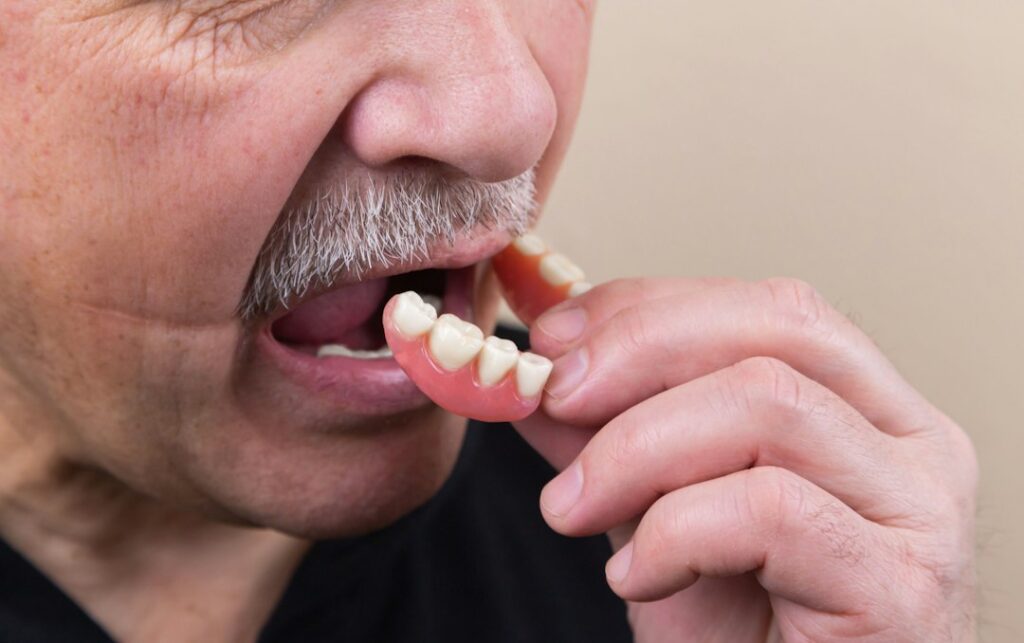
A temporary tooth, denture, or bridge may be used in some cases. It may need to be worn only at certain times or adjusted so it does not place pressure on the healing implant.
Weeks two through six: Has the implant healed?
The gum usually becomes more comfortable within one to two weeks, but the implant is not necessarily ready for normal biting forces. Surface healing and deeper bone healing occur at different speeds.
During this period, the implant may be:
- Covered by gum tissue while it integrates with the bone
- Visible through a small healing cap
- Supporting a temporary restoration
- Left without a tooth replacement for a period of time
The absence of pain does not prove that the implant is fully bonded to the jaw. Osseointegration—the process in which bone grows around and stabilizes the implant—continues beneath the gum.
Smoking and vaping can interfere with healing. Poorly controlled diabetes, untreated gum disease, certain medications, teeth grinding, and inadequate bone volume may also affect the schedule. These factors are reviewed individually rather than judged by the calendar alone.
How long does the bone take to bond with the implant?
Bone integration commonly takes about two to six months, although some cases require longer. A broader range of approximately three to nine months may apply when healing is slower or treatment is more complex.
The implant may feel normal before the bone is ready for full chewing pressure. Follow-up examinations and, when appropriate, imaging help determine whether the implant is stable enough for the next step.

If a bone graft was performed, that graft may need several months to mature before implant placement or before the implant can be restored. An implant placed immediately after tooth removal may also follow a different schedule from one placed after the socket has healed.
When is the final crown or denture attached?
Once the implant has integrated and the surrounding gum is ready, a small connector called an abutment may be placed. The final crown, bridge, or implant-supported denture is then designed and fitted.
This restorative phase may involve:
- Checking the implant’s stability
- Shaping the gum around the restoration
- Taking digital scans or impressions
- Testing the bite
- Fitting a temporary restoration in some cases
- Making adjustments for comfort and chewing
The final tooth is not simply attached as soon as the surgical wound closes. It must fit the bite accurately and avoid excessive force on the implant or nearby teeth.
Which symptoms are normal, and which are concerning?
Mild soreness, swelling, bruising, limited jaw movement, and minor bleeding can be expected after surgery. These symptoms should generally trend toward improvement.
Prompt dental advice is appropriate for:
- Severe or worsening pain after the first few days
- Swelling that continues to increase or affects swallowing or breathing
- Fever, pus, foul taste, or a persistent unpleasant odor
- Bleeding that does not stop with sustained pressure
- Numbness that is new, worsening, or not resolving as expected
- An implant, temporary tooth, or healing cap that feels loose
- A sudden change in the way the teeth fit together
Breathing difficulty, rapidly spreading swelling, or uncontrolled bleeding is an emergency and requires immediate medical attention.
How can recovery be made easier?
The most useful habits are simple: follow the written instructions, protect the surgical area from pressure, keep the rest of the mouth clean, avoid tobacco, stay hydrated, and attend follow-up checks.
Planning ahead also helps. Arrange soft foods before surgery, keep needed medications available, and allow flexibility in work and exercise plans. In Midland, seasonal heat may increase fluid loss, so outdoor work, sports, and extended time in the sun may need to be reduced during the earliest recovery period.
A dental implant can feel like a short procedure, but successful recovery is a longer biological process. The gum may look healed in a week or two, while the supporting bone may require several additional months before the final restoration is ready.