

 See My Latest Article on HelloNation
Can a dental implant get a cavity?
No. The titanium implant placed in the jaw and the artificial crown attached to it are not made of natural tooth enamel or dentin, so they cannot develop cavities in the usual sense.
A cavity, also called dental caries, is the breakdown of natural tooth structure caused by acids produced by bacteria in plaque. Because an implant is made from artificial materials, decay cannot form inside the implant or crown the way it can in a natural tooth.
That does not mean an implant is immune to every oral health problem. The gums, bone, nearby natural teeth, and connection between the implant and crown still require regular care.
What parts of an implant are vulnerable?
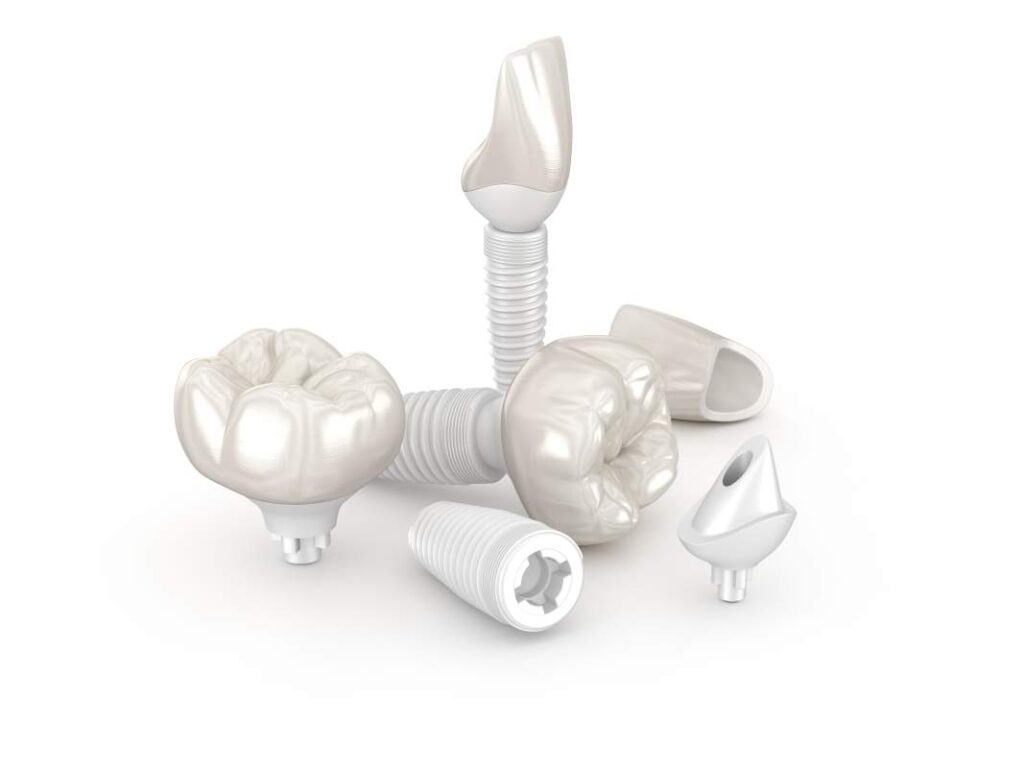
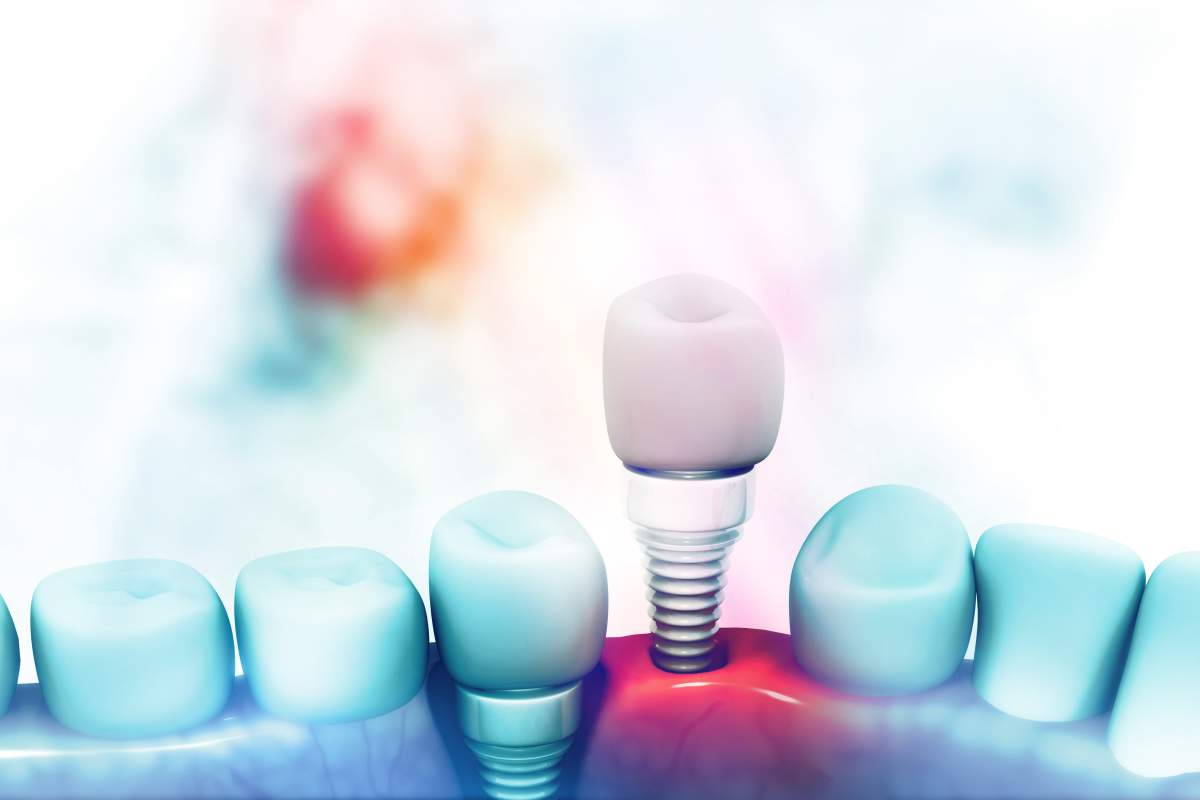
A dental implant usually has three parts:
- Implant fixture: A post, commonly made of titanium, placed in the jawbone.
- Abutment: The connector between the implant fixture and the visible restoration.
- Crown: The tooth-shaped restoration seen above the gumline.
None of these parts can get a conventional cavity. However, several problems can look or feel similar to tooth decay:
- Inflammation or infection around the implant
- Bacterial buildup beneath the gumline
- A loose crown or abutment
- A chipped, cracked, or worn crown
- Decay in a neighboring natural tooth
- Gum recession that exposes part of the implant or abutment
- Food collecting around the crown
An implant crown can also develop surface wear or damage. That is not a cavity, but it may affect chewing, comfort, appearance, or the way the upper and lower teeth meet.
Can the teeth next to an implant still get cavities?
Yes. Natural teeth remain susceptible to decay even when an adjacent tooth has been replaced with an implant.
Plaque and food particles can collect around the contact points between an implant crown and neighboring teeth. If those natural teeth are difficult to clean, they may develop cavities along the sides, near the gumline, or between the teeth.
This is one reason an implant does not replace the need for brushing, cleaning between teeth, fluoride exposure, and routine dental examinations. Protecting the remaining natural teeth is still a central part of long-term oral health.
What is peri-implantitis?
Peri-implantitis is an inflammatory disease affecting the tissues around a dental implant. It is not a cavity, but it can threaten the bone that supports the implant.
An earlier stage, often called peri-implant mucositis, involves inflammation of the soft tissue around the implant. If the inflammation progresses, bone loss may occur. This later condition is peri-implantitis.
Possible warning signs include:
- Bleeding when brushing or cleaning around the implant
- Red, swollen, or tender gum tissue
- Pus or drainage
- Persistent bad taste or odor
- Gum recession
- Increasing discomfort
- A crown or implant that feels loose
- Changes in the way the teeth fit together
Some people have few symptoms even when disease is developing. A lack of pain does not always mean the tissues around an implant are healthy.
Why can plaque be a problem if the implant cannot decay?
Plaque contains bacteria that can irritate the gum tissue around both natural teeth and implants. The implant itself may not decay, but the surrounding tissues can become inflamed.
Cleaning may be more challenging when an implant crown has a broad shape, sits close to the gumline, or has a space where food becomes trapped. Crowns supported by multiple implants can also have areas beneath or around the restoration that require specific cleaning methods.
The goal is not simply to clean the visible crown. The gumline, spaces between teeth, and areas where the crown meets the surrounding tissue also need attention.
How should an implant be cleaned?
A daily routine should include brushing twice a day with fluoride toothpaste and cleaning between teeth at least once a day. Depending on the shape of the restoration, useful tools may include:
- Dental floss or implant-specific floss
- Interdental brushes
- A water flosser
- A small, soft toothbrush
- Prescription or nonprescription oral rinses when specifically recommended
Not every tool is appropriate for every implant design. For example, a flossing technique that works for a single implant crown may not be sufficient for a full-arch restoration.
Avoid using excessive force. Aggressive brushing can irritate the gums and contribute to recession around natural teeth and implants. A soft-bristled brush and gentle pressure are generally safer than scrubbing.
Does the dry climate in Midland affect implant care?
The region’s dry conditions, indoor air conditioning, heat, and some commonly used medications can contribute to a dry-mouth sensation for certain people. Dry mouth does not cause cavities in an implant, but it can increase discomfort and may raise the risk of decay in remaining natural teeth by reducing saliva’s protective effects.
People who notice persistent dry mouth may benefit from drinking water regularly, limiting frequent sugary or acidic drinks, and discussing the symptom during routine dental or medical care. Caffeinated beverages, alcohol, tobacco, and some medications can also worsen oral dryness for some individuals.
Hydration is especially relevant during hot weather or physically active outdoor routines, but water alone does not replace daily plaque removal.
Can an implant crown be repaired if it has a “cavity”?
A dark spot, rough area, or hole in an implant crown is not technically a cavity, but it may indicate damage, wear, a defective filling material, or a problem at the crown’s margin.
The appropriate treatment depends on the cause. A crown may sometimes be polished, repaired, tightened, or replaced. If the problem is actually decay, the decay is usually in a nearby natural tooth or at a tooth that supports another type of restoration.
Avoid trying to scrape or polish the area at home. Hard objects and abrasive products can damage the crown surface or irritate the gum tissue.
How often should implants be checked?
Implants should be examined as part of regular dental care, with the interval based on oral hygiene, gum health, medical history, the type of restoration, and previous complications.
An examination may include checking:
- The gum tissue around the implant
- Bleeding or pocket depth
- Plaque and calculus buildup
- Crown stability and wear
- The bite
- Adjacent natural teeth
- Bone levels when imaging is appropriate
Residents should seek prompt evaluation for a loose implant or crown, swelling, drainage, persistent bleeding, worsening pain, fever, or a sudden change in bite. These signs do not prove implant failure, but they should not be ignored.
The short answer remains simple: dental implants do not get cavities, but they can still be affected by gum inflammation, bone loss, mechanical damage, and problems in nearby natural teeth. Maintaining the tissues around the implant is what protects its function over time.