

 See My Latest Article on HelloNation
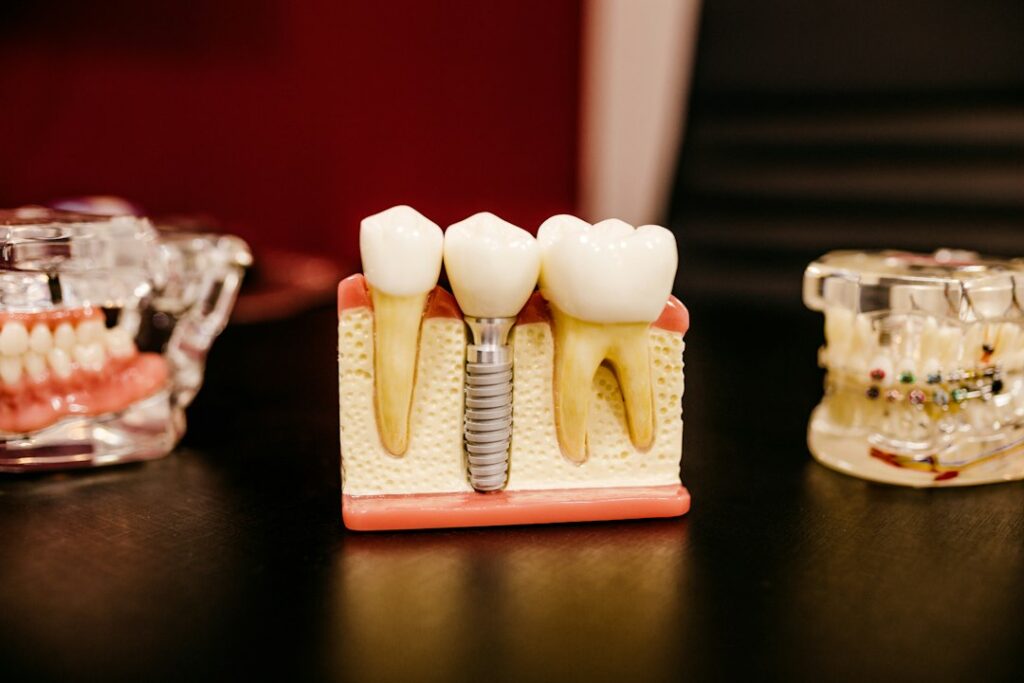
A missing tooth may not hurt once the original problem has healed, but the space can gradually affect chewing, speech, neighboring teeth, gum health, and the jawbone. For residents of Midland, TX, understanding these changes can make it easier to recognize when tooth replacement deserves thoughtful attention rather than indefinite delay.
Is one missing tooth really a problem?
Often, yes. The impact depends on which tooth is missing, how long it has been absent, the condition of the surrounding teeth and gums, and whether other teeth are also missing.
A lost back tooth may be less visible, but it still helps distribute chewing forces. A missing front tooth can affect pronunciation and lip support. Even a single gap may change how a person bites or cleans nearby areas.
The absence of pain does not necessarily mean the area is stable. Tooth loss can create gradual changes that are easy to overlook because they develop over months or years.
What happens to the jawbone after a tooth is lost?
The jawbone is partly maintained by the pressure and stimulation produced when a natural tooth root functions during chewing. After the root is removed or lost, the bone in that area may gradually shrink.
This process is called bone resorption. It does not happen at the same rate for everyone, and it may be influenced by gum disease, infection, smoking, overall health, and the location of the missing tooth.
Bone changes can affect:
- The shape and width of the gum ridge
- The support available for a future tooth replacement
- The fit and stability of a removable denture
- The appearance of the lower face in cases of extensive tooth loss
- The position of nearby teeth
An implant is designed to replace the root portion of a missing tooth, but candidacy depends on bone volume, gum health, medical history, and other factors. Some people may need additional treatment to rebuild lost bone before an implant can be considered.
Can nearby teeth move into the empty space?
They can. Teeth naturally respond to changes in pressure and contact. When a neighboring tooth no longer has the same support or contact point, it may tilt or drift toward the gap. A tooth in the opposing jaw may also move farther into the open space.
These shifts can cause:
- Food becoming trapped more easily
- Harder-to-clean surfaces
- Changes in the bite
- Increased stress on certain teeth
- Greater risk of wear or chipping
- Difficulty restoring the area later
Movement is not guaranteed, and it may be slow. However, waiting can make the surrounding teeth less favorable for long-term treatment.
Does a missing tooth affect chewing and nutrition?
It can, particularly when molars or several teeth are missing. People may unconsciously chew on one side, avoid firm foods, or choose softer meals that require less biting.
This may not create an immediate nutritional problem, but long-term changes in eating habits can reduce food variety. Tough meats, raw vegetables, nuts, and some fruits may become less appealing or more difficult to manage.
Chewing on one side can also place extra force on the remaining teeth and jaw muscles. Some people notice facial fatigue, soreness near the jaw joints, or headaches, although these symptoms can have many possible causes.
Can tooth loss change speech?
Yes, depending on the location and number of missing teeth. Front teeth help guide airflow and shape certain sounds. A gap may affect pronunciation of sounds such as “s,” “f,” or “th.” Missing back teeth can also alter tongue positioning and the way the mouth supports speech.
The changes may be subtle, and many people adapt without realizing it. Removable or fixed replacements may improve speech, but adjustment time is common after treatment.
Is tooth loss related to gum disease?
Tooth loss and gum disease are often connected. Advanced periodontal disease can destroy the gum tissue and bone that support teeth. If a tooth is lost because of gum disease, the same disease process may still be present around the remaining teeth.
That is why replacing a tooth without addressing active gum inflammation may not provide a stable long-term result. Signs that deserve attention include:
- Bleeding during brushing or flossing
- Persistent bad breath
- Tender or swollen gums
- Gum recession
- Loose teeth
- Pain when chewing
- Pus near the gumline

A clean-looking gap does not rule out gum problems elsewhere in the mouth.
Does the timing of replacement matter?
Timing can matter, but there is no universal deadline that applies to every person. A recent extraction, an old injury, untreated infection, and long-standing tooth loss each require different considerations.
Early evaluation may help clarify whether the area has adequate bone and whether nearby teeth are beginning to shift. Waiting does not automatically eliminate future options, but it can lead to more complicated treatment, additional procedures, or changes in the available types of replacement.
Possible approaches include a dental implant with a crown, a fixed bridge, or a removable partial denture. Each option has different effects on the surrounding teeth, maintenance requirements, costs, and expected lifespan. The right choice depends on the whole mouth rather than the gap alone.
Are dental implants the only solution?
No. Implants are one option, not a requirement for everyone.
A fixed bridge uses neighboring teeth to support a replacement tooth. A removable partial denture can replace one or more teeth and may be appropriate when several spaces are present. In some situations, leaving a particular tooth unreplaced may be reasonable if chewing, function, appearance, and oral health are not significantly affected.
Implants also have limitations. They require adequate bone and healthy supporting tissues, and certain medical conditions, medications, and tobacco use may affect healing or long-term maintenance. They do not develop cavities, but the crown can wear, and the gum and bone around the implant still need daily care.
What should Midland residents consider locally?
Midland’s dry conditions can contribute to mouth dryness for some people, especially during hot weather or when fluid intake is low. Reduced saliva may increase discomfort, make chewing feel less comfortable, and raise the risk of tooth decay around remaining natural teeth.
Households with active work schedules, outdoor routines, or frequent travel may also postpone care when a missing tooth is not painful. A practical approach is to pay attention to changes in chewing, food trapping, speech, gum bleeding, or the way the teeth come together.
A missing tooth is not always an emergency, but sudden swelling, fever, severe pain, drainage, difficulty swallowing, or trouble breathing requires prompt medical or dental attention. Those symptoms may indicate infection or another condition that should not be delayed.
What can someone do while deciding about replacement?
Daily care remains important even if the gap is not immediately replaced.
- Brush twice daily with fluoride toothpaste.
- Clean between the remaining teeth and around the gap.
- Avoid using the empty space to crack hard foods or objects.
- Rinse after meals if food frequently collects in the area.
- Pay attention to bleeding, swelling, looseness, or increasing sensitivity.
- Keep diabetes and other health conditions well controlled as advised by a medical care team.
- Avoid tobacco, which can impair gum health and healing.
The main reason not to ignore tooth loss is not appearance alone. A missing tooth can influence the surrounding teeth, the bite, the jawbone, and everyday eating. Understanding those effects allows each person to weigh replacement options based on function, health, timing, and long-term maintenance.