

 See My Latest Article on HelloNation
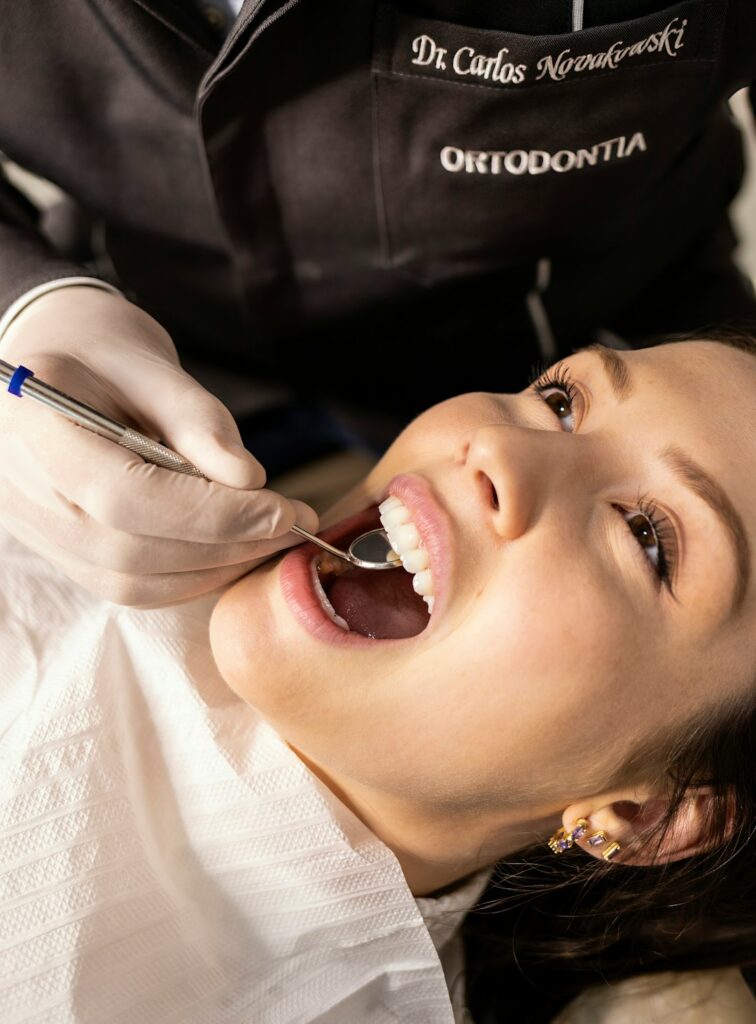
What Happens Before Dental Implant Surgery?
The dental implant process always starts well before any procedure is scheduled. For residents in Midland, TX, careful planning ensures both comfort and success.
After an initial consultation, patients typically undergo a dental exam with imaging, often using 3D X-rays or scans to guide treatment. Medical history, medications, and overall health are considered, since conditions like diabetes or bone density loss may change an individual’s care plan.
During planning:
- The dentist discusses goals, expectations, and possible alternatives.
- A customized timeline is outlined.
- Specific steps are explained clearly, taking into account lifestyle factors such as busy work schedules, seasonal activities, and local climate influences on healing.
What Is the Dental Implant Procedure Like?
A dental implant procedure is a minor oral surgery that places a small titanium post in the jawbone to act as a root for a future artificial tooth. Most Midland residents can expect a straightforward, outpatient experience, with local anesthesia and sometimes mild sedation.
For a typical appointment:
- The area is numbed, so only pressure or vibration are felt.
- The dentist makes a small incision, drills a precise hole, and inserts the implant.
- The gums are stitched closed. The implant remains beneath the surface as the bone heals.
Many people are surprised by how little discomfort they feel during the process. While the sound and sensation can be unfamiliar, pain is generally minimal and managed with recommended over-the-counter medications.
How Long Does Recovery Take and What Should You Expect Afterwards?
Initial recovery from dental implant placement usually lasts a few days to a week. Swelling, minor bruising, and mild soreness around the site are common but manageable with cold packs and a gentle diet.
Throughout the recovery period:
- Patients are encouraged to rest and avoid strenuous activity, especially in the first 48 hours.
- Soft, cool foods help protect the healing area.
- Smoking and vigorous rinsing are discouraged due to the region’s dry air, which can slow healing.
The full integration of the implant with the jawbone (called “osseointegration”) usually takes 3 to 6 months. This timeline can vary depending on bone health, personal healing rates, and factors such as age or chronic conditions.
Is the Procedure Safe? What Risks Should Midland Residents Be Aware Of?
Dental implant surgery is considered safe and reliable, especially for healthy adults. In Midland, as in other communities, residents sometimes have questions about risk, especially if they take prescription drugs or have complex medical histories.
Some possible complications include:
- Temporary nerve irritation, which can cause tingling
- Infection around the implant
- Implant movement or rare rejection

Most concerns are mild and respond quickly to routine care measures. Allergic reactions to titanium are extremely rare.
Will You Be Without a Tooth During Healing?
A common worry for adults considering implants is how to manage their appearance during the healing phase. Temporary solutions are generally available. Dentists may provide a removable appliance, called a “flipper” or partial denture, especially if the missing tooth is visible when smiling or talking.
Area residents who work in public-facing roles or have weddings, graduations, or seasonal events need only communicate up front—the temporary phase can almost always be managed discreetly.
What Happens After the Implant Heals?
Once the implant has fused with the jaw, the next steps involve creating and attaching the artificial tooth (crown). This involves:
- Taking impressions (“molds”) of the mouth to match the color and shape of natural teeth
- Custom-making a crown that blends in, both functionally and visually
- Using a connecting piece (abutment) to link the crown and implant
At this stage, Midland residents are usually able to return to their regular diet, brushing, and flossing routines, with the added benefit of a tooth that won’t slip or shift during speaking or eating.
What Should You Know About Follow-Up Care?
Good oral hygiene remains important throughout every phase. Brushing gently, avoiding certain foods early on, and attending all follow-up appointments ensures best results. Dental implants can last decades with consistent care.
Local factors in Midland—such as hot, dry weather—make hydration and routine check-ups especially helpful for maintaining gum health. Seasonal allergies, dust, or outdoor activities may drive additional reminders from local dentists about rinsing and oral hygiene.
Unexpected swelling, discomfort after a week, or concerns about healing should always be discussed with the provider responsible for care. While emergency situations are rare, certain symptoms—such as persistent bleeding, severe pain, or signs of infection—may require prompt evaluation.
Are Dental Implants Right for Everyone?
While implants have high success rates, not every individual or household will be a candidate. Adequate bone quality, good general health, and commitment to long-term care are keys to success. Children and teenagers who are still growing usually wait until jaw growth completes.
Local residents who are unsure about their individual risks or candidacy might explore further assessment to review bone density, existing oral health conditions, or factors like tobacco use that can affect healing.