

 See My Latest Article on HelloNation
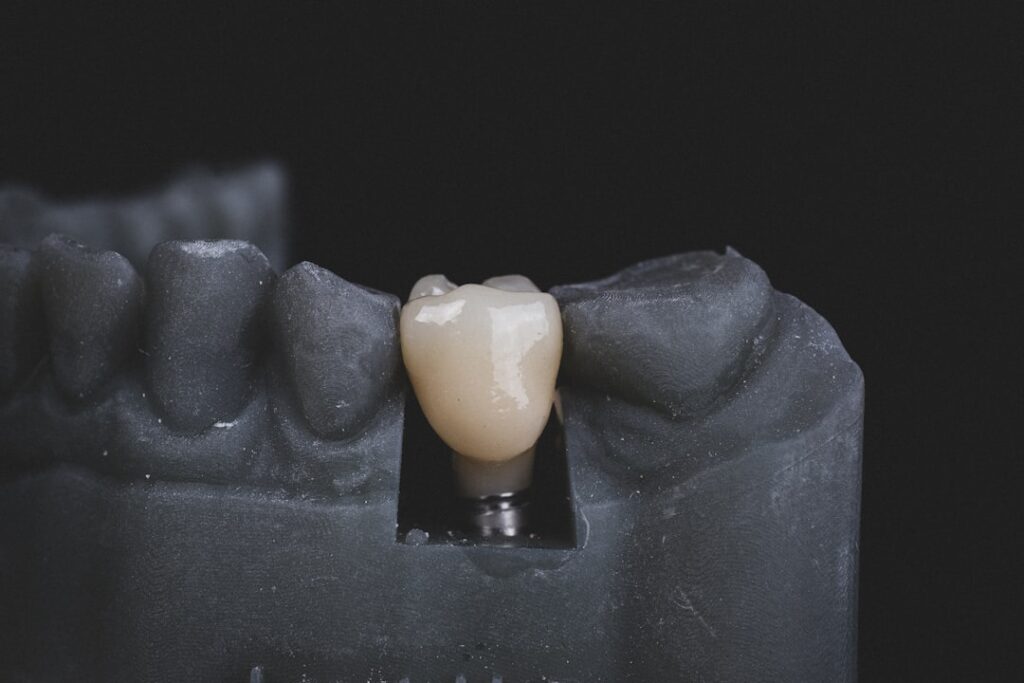
What Are Dental Implants and Dentures?
Dental implants are artificial tooth roots, often made of titanium, that are surgically placed in the jawbone to support replacement teeth. Dentures are removable appliances that rest on the gums and replace multiple missing teeth. Both options address tooth loss, but they function and feel different in everyday life.
People in Midland often consider factors like local weather, active lifestyles, and access to care when choosing between these two options.
Which Feels More Natural: Implants or Dentures?
Dental implants tend to feel most similar to natural teeth. They are anchored securely in the jaw, so they do not shift while eating or talking. Dentures, by comparison, rest on top of the gums and can sometimes move, especially if the fit changes over time due to bone changes or weight loss.
For residents who enjoy outdoor activities, sports, or lots of social gatherings—common in Midland—implants may offer more confidence and comfort.
How Does Each Affect Eating and Speaking?
Dental implants allow most people to eat nearly all foods, including crunchy or chewy items. Because they are stable, speech is typically unaffected. Denture wearers may need to avoid especially hard or sticky foods, and it can take time to adjust to talking with dentures. Some report slight lisping or extra saliva until they get used to them.
Dry conditions, like those common in Midland, can also mean comfort with dentures varies—good hydration and denture fit can help.
What Maintenance Do Implants and Dentures Require?
Dental implants are cleaned much like natural teeth: daily brushing, flossing, and regular dental visits are needed. Dentures require daily removal, brushing, and soaking to prevent odor and damage.
People in the community who travel or camp frequently may find the lower-maintenance routine of implants more convenient.
How Long Do They Last?
Dental implants can last several decades or even a lifetime with good care, although some parts like crowns may eventually need replacement. Dentures generally last 5–10 years, as gums and bone reshaping can change the fit, requiring relining or replacement over time.
These practical deadlines may help Midland residents plan for the future, especially if frequent dental visits are not convenient.
What About Cost and Insurance?
Initial costs for dental implants are typically higher than those for dentures. However, because implants last longer and require fewer adjustments, long-term costs may even out for some people. Dental insurance coverage varies, but most plans help cover some of the cost of dentures and may cover parts of implant treatments after certain criteria are met.

Budget-conscious households sometimes start with dentures while saving for implants; others prioritize longer-term stability based on their budgets and needs.
Who Is a Good Candidate for Each Option?
Dental implants require a healthy jawbone and gums. People with certain health challenges, heavy smoking, or low bone density may not be good candidates without additional procedures.
Dentures work for most adults, regardless of bone level, but may not offer as much stability for active wearers. Those experiencing significant jawbone loss can still use dentures, while implants may need bone grafting.
Are There Common Misconceptions?
Many people believe dentures are always uncomfortable or will fall out, but well-made dentures fit securely for most wearers. Others assume getting implants is extremely painful or risky; in reality, implant surgery is highly predictable and usually involves minor discomfort.
Because Midland’s climate is dry, some people think that dentures are always a struggle. Proper denture care and fitting can help overcome these challenges.
How Do Lifestyle and Local Factors Affect the Choice?
Midland residents often value reliable, hassle-free solutions due to busy work schedules and social lives. Daily routines that involve physically demanding jobs, lots of talking, or local outdoor recreation can make the stability of implants especially appealing.
However, for area households who are less concerned about high activity, or for those who want a non-surgical, adaptable solution, dentures may offer a practical alternative. Both approaches can support confident smiles and healthy eating in daily community life.