
 See My Latest Article on HelloNation
Dental implant recovery is usually easier when the surgical area is protected from pressure, heat, sharp particles, and food debris. For most people, the safest approach is to begin with cool, soft foods and gradually return to normal textures as comfort improves and the implant provider’s instructions allow.
The exact diet depends on whether the procedure involved a simple implant placement, tooth extraction, bone grafting, several implants, or a temporary restoration. Personalized instructions should take priority over general guidance.
Which foods should be avoided immediately after implant surgery?
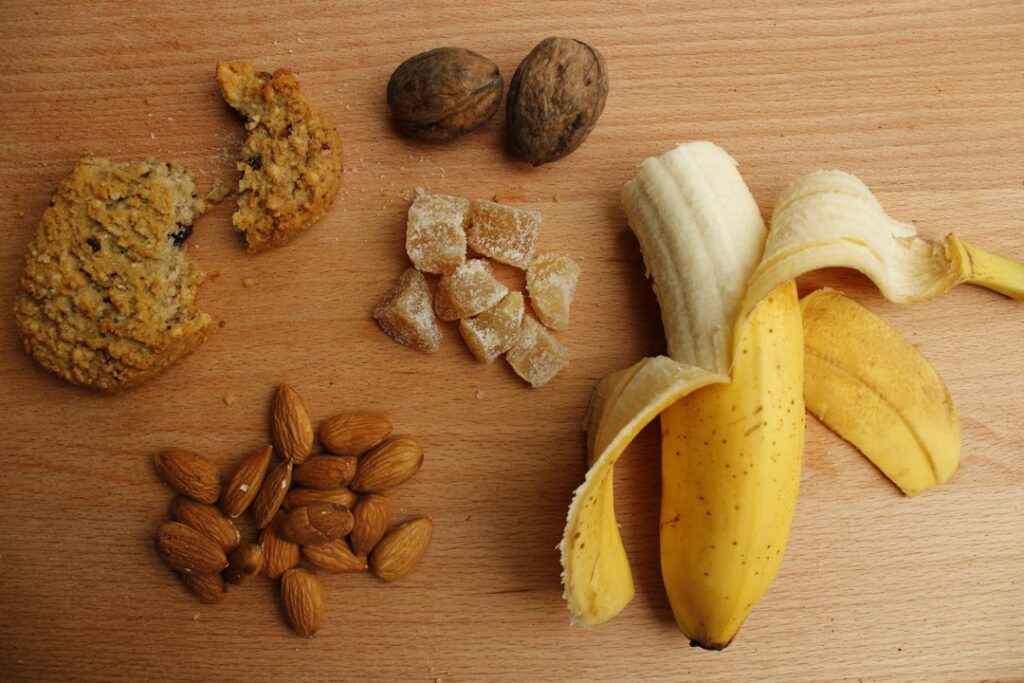
During the first day or two, avoid foods that are hard, hot, crunchy, sticky, spicy, acidic, or difficult to chew. These foods may irritate the incision, disturb a blood clot, or become trapped around the surgical site.
Common examples include:
- Chips, pretzels, popcorn, crackers, and hard crusts
- Nuts, seeds, granola, and foods with small loose particles
- Raw carrots, firm apples, and other hard raw vegetables
- Chewy meats, jerky, tough bread, and dense pizza crust
- Sticky candy, caramel, taffy, and chewing gum
- Very hot soups, coffee, tea, or other heated drinks
- Spicy foods that cause burning or irritation
- Highly acidic foods and drinks, such as citrus, vinegar-heavy foods, and carbonated beverages
- Alcohol, unless the prescribing clinician gives different instructions
Cleveland Clinic generally recommends soft foods and avoiding hot liquids for several days after implant surgery. ([my.clevelandclinic.org](https://my.clevelandclinic.org/services/dental-implants?utm_source=openai))
Why are hard and crunchy foods a problem?
Hard foods require forceful biting, which can place unnecessary pressure on healing gum tissue and any temporary components attached to the implant. Sharp pieces can also scrape the incision or lodge between the gum and the restoration.
Even if a food does not hurt, it may still be too firm for the early healing stage. Numbness from local anesthetic can make it difficult to judge pressure accurately, increasing the chance of biting the cheek, tongue, or surgical area.
For people healing during a busy workweek, preparing soft foods in advance can make it easier to avoid convenience foods that require heavy chewing. This can be especially practical for households managing meals during hot, dry weather, when cool foods and adequate fluids may be more comfortable.
Are hot foods and drinks safe after an implant?
Hot foods and beverages are best avoided during the initial recovery period. Heat may increase bleeding or swelling, and numb tissue may not accurately sense temperature.
Allow soups, oatmeal, mashed foods, and other cooked items to cool to a lukewarm temperature. Cool or room-temperature foods are often more comfortable during the first 24 hours, provided they do not contain hard pieces or seeds.
Avoid using a straw unless the surgical instructions specifically permit it. Suction can interfere with healing after some oral procedures, particularly when an extraction was performed along with implant placement.
What soft foods are usually easier to eat?
Soft foods should require little or no chewing and should be smooth enough not to leave hard particles around the implant site. Useful options may include:
- Plain yogurt or cottage cheese
- Applesauce and soft fruit without seeds or tough skin
- Scrambled eggs
- Mashed potatoes or other smooth mashed vegetables
- Oatmeal that has cooled adequately
- Soft pasta or noodles
- Blended soups served lukewarm
- Smoothies eaten with a spoon rather than a straw
- Soft fish or finely shredded tender meat, once chewing is comfortable
- Protein-rich foods recommended by the dental or medical care team

Adequate calories and protein support normal wound healing. Nutrition guidance from Cleveland Clinic lists protein, vitamin-rich produce, and sufficient overall intake as useful parts of recovery nutrition. ([my.clevelandclinic.org](https://my.clevelandclinic.org/departments/heart/patient-education/recovery-care/general/nutrition?utm_source=openai))
A smoothie can be convenient, but ingredients matter. Avoid adding seeds, nuts, ice chunks, acidic fruit, or thick pieces that require chewing. A smooth, mild, cool mixture is generally easier during the early stage.
How long should hard foods be avoided?
Many people follow a soft-food diet for at least the first 24 to 48 hours, then add more textures gradually. Some procedures require a longer period of restricted chewing, particularly when bone grafting, extensive surgery, multiple implants, or a temporary denture is involved.
The absence of pain does not necessarily mean the implant is ready for normal biting. Bone integration takes much longer than the initial gum healing, and the implant may need to remain protected from chewing forces while that process occurs.
Until specific permission is given, avoid testing the implant by biting directly on hard foods. Chew on the opposite side when permitted, and follow any instructions about whether the implant should remain completely out of function.
Can spicy, acidic, or sugary foods slow recovery?
Spicy foods may not damage the implant itself, but they can irritate fresh tissue and make the mouth uncomfortable. Acidic foods and drinks may also sting an incision and contribute to dental erosion or sensitivity, especially when consumed frequently.
Sugary foods are not automatically forbidden, but sticky sweets and frequent sugary drinks can leave residue around healing tissues. Good oral hygiene remains important, although brushing and rinsing should follow the timing and technique provided after surgery.
The American Dental Association notes that dietary acids can contribute to tooth erosion and that diet affects oral health in several ways. ([ada.org](https://www.ada.org/resources/ada-library/oral-health-topics/nutrition-and-oral-health?utm_source=openai))
What about foods with seeds, grains, or small particles?
Small particles deserve extra caution because they can become trapped near sutures or the implant site. Examples include sesame seeds, chia seeds, popcorn hulls, berry seeds, rice fragments, and coarse grains.
If a food leaves particles behind, choose a smoother alternative during early healing. Do not probe the area with a toothpick, fingernail, or other object. After the first day, gentle rinsing may be recommended to help remove debris, but vigorous swishing can be harmful immediately after some procedures.
Some oral-surgery instructions advise beginning gentle warm salt-water rinses the day after surgery, while the exact timing depends on the procedure. ([cuh.nhs.uk](https://www.cuh.nhs.uk/patient-information/insertion-of-dental-implants/?utm_source=openai))
When should someone report a problem?
Increasing pain, swelling, bleeding, fever, pus, a foul taste, or a loose implant or temporary restoration should not be ignored. Persistent numbness, difficulty swallowing, or trouble breathing requires prompt medical attention.
A small amount of discomfort and swelling can be expected, but symptoms that worsen rather than gradually improve deserve specific guidance from the treating dental team. The instructions provided for the individual surgery are more reliable than a general food list because implant procedures vary considerably.
Until the area has healed enough for normal chewing, choose soft, mild foods, avoid heat and sharp textures, and keep meals nutritious. That approach protects the surgical site while giving the body the calories and protein needed for recovery.