

 See My Latest Article on HelloNation
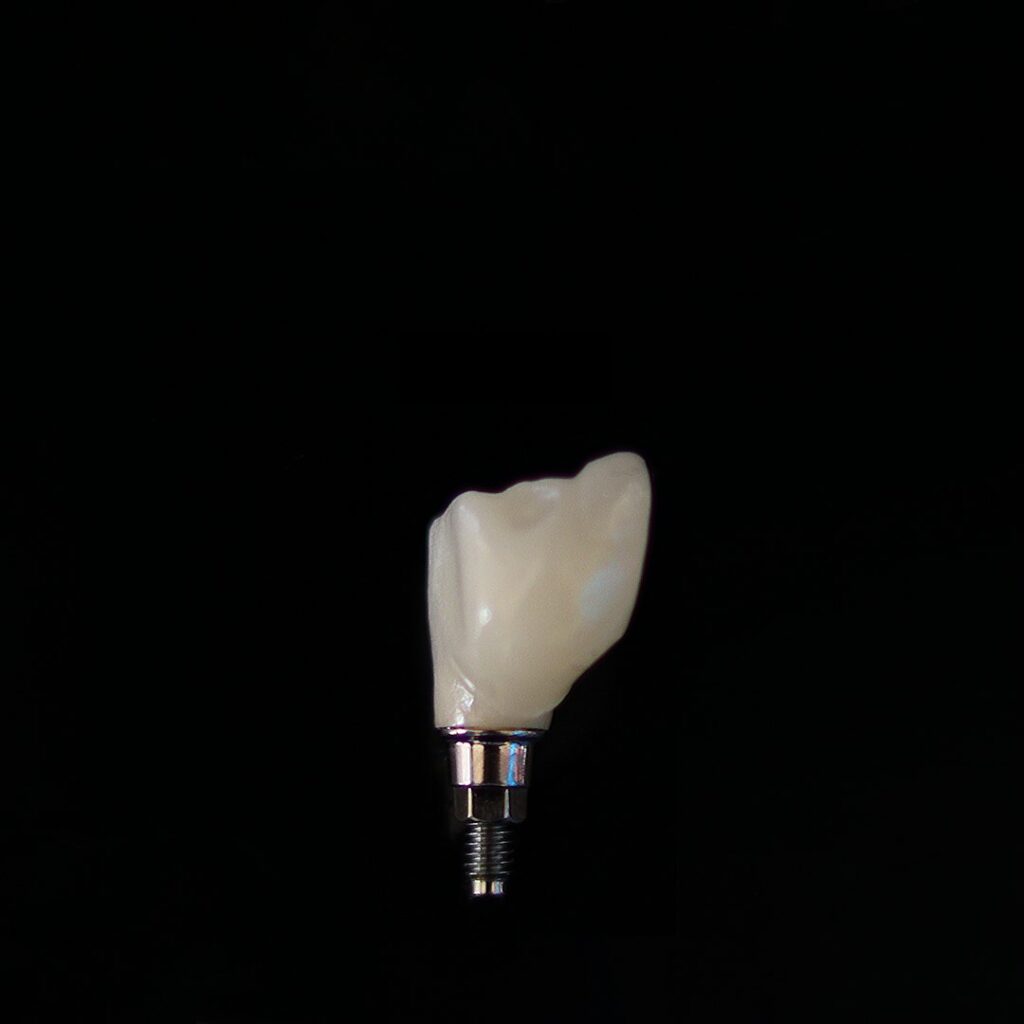
How Much Pain Should Local Patients Expect During a Dental Implant Procedure?
For most residents of Midland, getting a dental implant is often far less painful than many imagine. The procedure is performed using local anesthesia, which numbs the surgical area so patients remain comfortable throughout. Most people experience only mild sensations such as gentle pressure or vibration but not sharp pain during the surgery itself.
After the anesthesia wears off, some soreness, swelling, and minor discomfort are normal—especially during the first few days. These symptoms can vary depending on individual pain tolerance, overall oral health, and the complexity of the dental implant case.
What Does Dental Implant Surgery Actually Involve?
Dental implant placement is typically an outpatient procedure. The dentist surgically inserts a small titanium post into the jawbone to serve as an artificial tooth root. In many Midland households, a single implant is done in a clinic setting, taking one to two hours for straightforward cases.
- A small incision is made in the gum.
- The implant is placed into the bone.
- Stitches may be used to close the gum (often dissolvable).
- Some residents may need bone grafts or additional steps if there is not enough healthy bone, which can add to recovery time and soreness but does not usually increase pain during the actual procedure.
What Type of Anesthesia Is Used?
Local anesthesia is standard for most dental implants, numbing only the area being worked on. Some local residents may opt for additional sedation, such as nitrous oxide or oral sedatives, if they have significant dental anxiety. These methods help people relax but are not always necessary.
General anesthesia is rarely needed unless a patient is having extensive surgical work, multiple implants, or has special medical considerations. Most residents return home the same day.
How Does Implant Pain Compare to Other Dental Procedures?
Many in the community find dental implant surgery to be less uncomfortable than having a tooth pulled. Unlike extractions, the jaw and gum are carefully prepared with minimal trauma. Soreness from implants tends to feel similar to a routine tooth filling or minor oral surgery, and usually diminishes within a week.
It’s common for local patients to report mild aching or throbbing for the first 24-72 hours. This is typically well managed with over-the-counter pain relief.
What Is the Typical Recovery Experience Like in the City?
Post-surgical discomfort is usually mild to moderate. Expect swelling, minor bruising, and gum tenderness for several days. In dry, windy climates like Midland's, some people notice a drier mouth, which can heighten sensations of soreness, but staying well-hydrated and avoiding spicy or acidic foods helps keep discomfort manageable.
Gums generally begin to heal by the end of the first week. Most people return to normal routines, including work, within two or three days. Complete healing, including integration of the implant into the jawbone, takes several months, but this process is not painful.
What Steps Can Area Households Take to Reduce Post-Surgical Pain?
Residents can typically keep discomfort low with these approaches:
- Use a cold pack on the cheek for the first day to minimize swelling
- Take any prescribed or recommended nonprescription pain relievers as directed
- Eat soft, cool foods and avoid using straws
- Carefully follow all hygiene and aftercare instructions provided by the dental team
Physical activity, tobacco, and alcohol should be limited for several days, as these can interfere with healing and worsen discomfort.

Are There Any Factors That Can Increase Pain?
Certain conditions can make individuals more likely to experience stronger or longer-lasting discomfort after dental implant surgery:
- Pre-existing gum disease, tooth infections, or bone loss
- Needing multiple implants or extra surgical steps such as bone grafting
- Smoking or chronic dry mouth, which may slow healing
- Poor oral hygiene after surgery
Local residents with these risk factors should not expect severe pain, but a slightly more noticeable recovery. Open communication with the dental provider about medical history and lifestyle is the best way to anticipate and manage discomfort.
Is Severe Pain or Complicated Recovery Common Locally?
Severe or lasting pain after dental implant placement is uncommon. Most discomfort peaks in the first 48 hours and then improves steadily. Persistent or intense pain beyond a week, signs of infection, or fever are rare but should prompt a prompt re-evaluation.
Midland’s generally reliable access to dental care and focus on preventive health means complications and unmanaged pain are infrequent for locals following standard aftercare.
Common Misconceptions About Implant Pain
A few myths sometimes circulate in the community:
- “Getting a dental implant hurts more than a tooth extraction.” For most people, this is not true.
- “Recovery will leave me unable to eat or work.” Most resume normal activities quickly.
- “Pain always means something is wrong.” Mild soreness is a normal part of healing.
Understanding what’s typical can help set clear expectations and reduce dental anxiety.