

 See My Latest Article on HelloNation
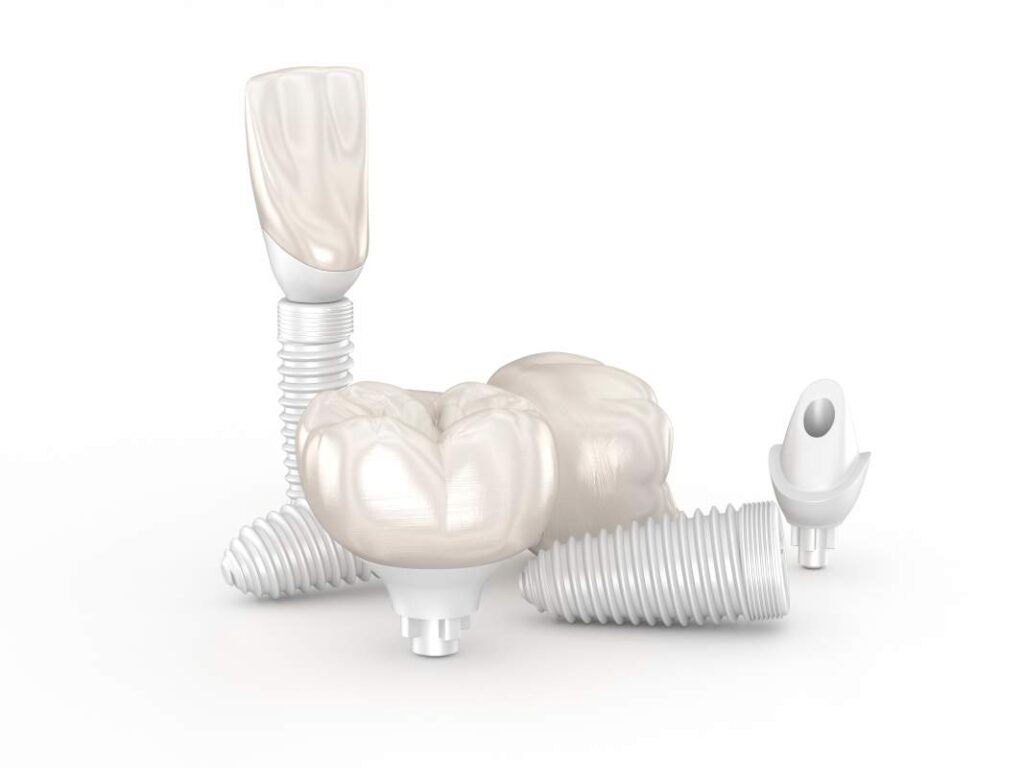
Dental implants involve more than replacing a visible tooth. The process may include diagnosis, imaging, bone and gum evaluation, surgery, restoration, healing, and long-term maintenance. Choosing the right dentist means evaluating the full treatment plan—not simply comparing prices or looking for the shortest timeline.
What qualifications should an implant dentist have?
A dentist placing or restoring implants should have appropriate education, hands-on training, and experience with cases similar to yours. A general dentist may provide implant treatment, while other cases may involve a periodontist, oral and maxillofacial surgeon, or prosthodontist. The relevant question is not the title alone, but whether the clinician has the training and experience required for your specific needs.
Ask about:
- The dentist’s education and advanced training in implant dentistry
- How long the dentist has been placing or restoring implants
- The number and types of implant cases treated
- Experience with bone loss, gum disease, multiple missing teeth, or full-arch treatment
- Whether the dentist performs the surgery, restoration, or both
- Any professional credentials or board certifications, and what those credentials actually require
A license to practice dentistry is essential, but it does not by itself describe a dentist’s experience with complex implant treatment. Credentials should be explained clearly rather than presented as unexplained initials.
How can you tell whether the treatment plan is thorough?
A complete implant evaluation should consider your entire oral and medical situation. The dentist should review your dental history, examine your gums and remaining teeth, assess your bite, and use appropriate imaging to evaluate bone volume and important anatomical structures.
A thorough plan usually explains:
- Why an implant is appropriate compared with a bridge, partial denture, or no treatment
- Whether the tooth must be removed before implant placement
- Whether bone or gum treatment may be needed
- Which clinician will perform each stage
- What type of restoration will be attached to the implant
- How long healing may take
- What temporary tooth replacement will be available
- How the implant and surrounding teeth will be maintained afterward
Be cautious if treatment is recommended before the dentist has assessed the condition of the gums, the supporting bone, and the way the teeth fit together. An implant placed into an unhealthy environment may face avoidable complications.
What questions should be asked during the consultation?
A consultation should give you enough information to make a considered decision. Useful questions include:
- What findings make me a suitable or unsuitable candidate?
- Is gum disease present, and must it be treated first?
- Do I have enough bone for the planned implant?
- Would a bone graft or sinus-related procedure be necessary?
- Who will place the implant and who will make the replacement tooth?
- What happens if the implant does not integrate with the bone?
- How are surgical complications handled?
- What type and model of implant system will be used?
- How will the restoration be repaired or replaced if it becomes damaged?
- What follow-up visits and maintenance are expected?
- Which symptoms should be reported immediately?
A dentist should be willing to discuss risks as well as benefits. Possible problems include infection, difficulty cleaning around the implant, nerve irritation, bite problems, loose components, or failure of the implant to integrate with the bone.
Does the dentist use appropriate imaging and planning?
Implant placement should be based on more than a quick visual examination. Depending on the case, three-dimensional imaging may help evaluate bone thickness, nearby nerves, sinus anatomy, and the ideal position for the implant.
Ask how imaging is used in the planning process. The goal is not to order unnecessary tests, but to gather enough information to place the implant safely and design a restoration that functions properly.
Digital planning can be helpful, but technology does not replace clinical judgment. A detailed scan is only useful when the dentist understands how to interpret it and connect the findings to the surgical and restorative plan.
How do health conditions and daily habits affect implant treatment?
Your overall health can influence healing and long-term implant stability. Conditions such as uncontrolled diabetes, active gum disease, certain medications, heavy smoking, teeth grinding, and poor oral hygiene may increase risks or require additional planning.
Share complete information about:
- Medical conditions and recent surgeries
- Prescription and over-the-counter medications
- Tobacco or nicotine use
- Teeth grinding or jaw clenching
- Previous problems with anesthesia or dental surgery
- Changes in blood sugar control
- Any history of gum disease

Smoking and nicotine use can interfere with healing. Poorly controlled diabetes may also raise the risk of infection or delayed healing. These factors do not automatically rule out implants, but they should be addressed honestly before treatment begins.
For residents of Midland, seasonal dryness and outdoor routines may make hydration and consistent oral hygiene especially practical considerations during recovery. The larger issue is maintaining the cleaning routine recommended for the implant and natural teeth, even when work, travel, or household schedules change.
Should cost be the main deciding factor?
Cost matters, but the lowest initial price may not represent the full treatment. Implant care can involve extraction, bone or gum treatment, the implant itself, an abutment, a temporary replacement, the final crown or denture, imaging, and follow-up care.
Ask for a written explanation of what is included and what may cost extra. Clarify whether the quoted amount covers:
- The surgical procedure
- The implant and connecting components
- The temporary tooth
- The final restoration
- Bone or gum procedures
- Imaging
- Follow-up visits
- Treatment of complications or replacement of failed components
A more expensive plan is not automatically better, and a lower-cost plan is not automatically unsafe. The most useful comparison is between complete treatment plans that address the same clinical needs.
What are signs of a trustworthy consultation?
A reliable consultation should feel informative rather than pressured. The dentist should explain alternatives, identify uncertainties, discuss risks, and allow time for questions. You should receive enough information to understand what will happen before, during, and after treatment.
Warning signs include:
- Promises that implants will last forever
- Guaranteed results without reviewing your health and imaging
- Pressure to begin immediately
- No discussion of alternatives
- Unclear answers about who performs surgery
- A plan based only on a brief examination
- A price that excludes major stages of treatment
- Little explanation of long-term cleaning and maintenance
A second opinion can be reasonable when treatment is extensive, several teeth are involved, bone grafting is proposed, or the recommended plan is difficult to understand.
How should long-term care be evaluated?
Implants are not maintenance-free. They require regular cleaning, professional monitoring, and attention to the surrounding gums and bone. The dentist should explain how to brush, floss, use interdental cleaners, and recognize warning signs.
After treatment, report persistent pain, swelling, bleeding, a loose feeling, changes in the bite, or movement of the restoration. Early evaluation may prevent a minor issue from becoming a larger one.
The right dentist is the one who can explain the diagnosis, show how the plan fits your anatomy and health, describe realistic alternatives, and provide a clear path for follow-up. That standard is more useful than choosing based on advertising, a single credential, or a promised completion date.