

 See My Latest Article on HelloNation
How Durable Are Dental Implants?
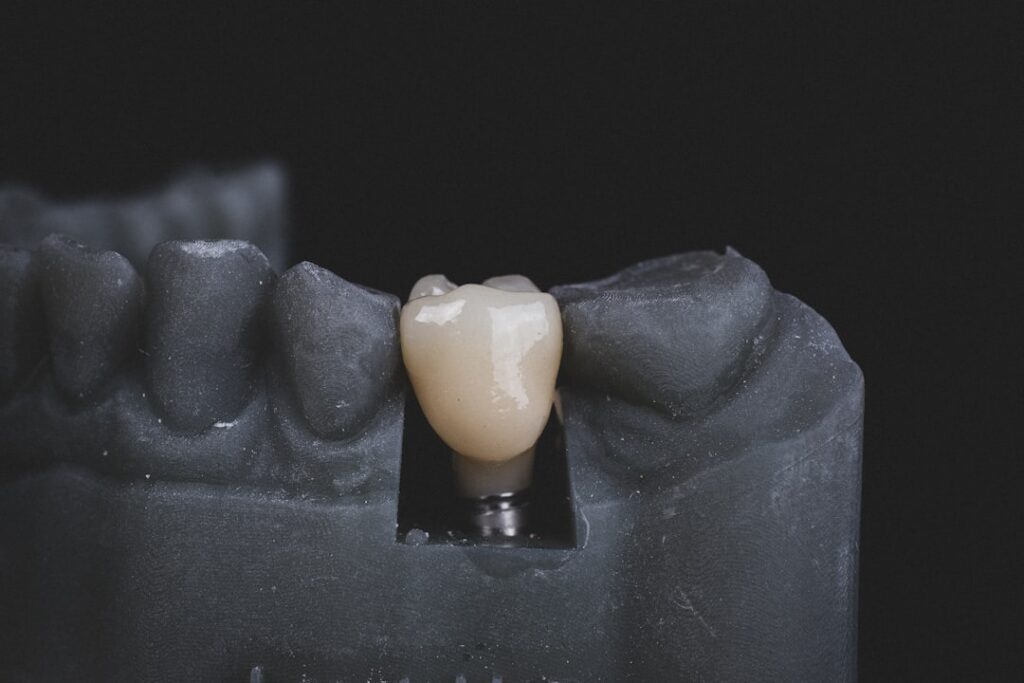
Most dental implants can last several decades—often more than 20 years—when they are well cared for. Unlike traditional dentures or bridges, implants use titanium posts surgically placed in the jaw, which become a permanent foundation for replacement teeth. The visible part (the crown) may experience more wear and need replacement sooner, but the implant post itself is intended as a long-term solution for tooth loss.
What Affects the Lifespan of Dental Implants?
Several factors determine how long an implant lasts, and some are within your control:
- Oral Hygiene Habits: Consistent brushing and flossing are crucial for preventing infection around the implant.
- Lifestyle Factors: Smoking, unmanaged diabetes, and excessive alcohol use can reduce implant longevity.
- Diet and Local Habits: Eating hard foods or habits like chewing on ice can put extra strain on implants.
- Bone Quality: In Midland, bone density can be affected by age, genetics, or certain health issues, influencing the initial success and long-term stability of implants.
- Professional Maintenance: Even without pain or problems, regular dental check-ups help catch early signs of trouble before they jeopardize the implant.
How Does Midland’s Climate Impact Implants?
While weather itself doesn’t directly impact implants, some indirect factors are worth noting for local residents. The region’s dry climate can sometimes lead to dry mouth, which raises the risk of gum disease if saliva is already scarce due to medication or age. This, in turn, can compromise both natural teeth and dental implants. Staying hydrated and maintaining regular dental visits are practical steps that help.
Is There a Difference Between the Implant and the Crown?
Yes—understanding this distinction clears up a frequent misconception. The titanium implant acts as an artificial root and, when fused with the jawbone, is generally permanent if the surrounding bone and gum tissue remain healthy. The crown (the visible tooth-shaped part) typically needs replacement every 10–15 years due to normal wear, though care and material quality can extend this.
What Are Signs That an Implant May Be Failing?
A properly integrated implant should feel nearly indistinguishable from a natural tooth. Warning signs can include:
- Persistent pain or swelling near the implant site
- Gum recession exposing the edge of the implant
- Mobility or looseness of the implant
- Difficulty chewing or unusual sensations
Local residents with any of these concerns should seek evaluation as soon as possible to limit further complications.
Are Dental Implants Safe for Most Adults in Midland?
Most healthy adults are candidates for dental implants, though those with certain uncontrolled health conditions or insufficient bone may need additional assessment. Midlife adults in the city often seek implants to replace single teeth, several teeth, or support full dentures. The procedure has a high track record of success based on decades of practical research.
Lifespan Myths and Common Misunderstandings
Some common local misconceptions include:

- Believing implants are “once and done” fixes—proper care and occasional repairs are necessary.
- Assuming age itself limits suitability; older adults can be good candidates if health is stable.
- Thinking implants will never need maintenance—routine checkups and professional cleanings are still essential, just as with natural teeth.
Practical Tips for Long-Term Success in the Community
For residents interested in protecting their investment and oral health:
- Maintain a consistent daily routine of thorough brushing and flossing.
- Stay well-hydrated to combat local dryness and reduce gum issues.
- Avoid chewing hard objects like pens, ice, or hard candies.
- Use a night guard if you grind your teeth while sleeping.
- Don’t skip regular dental evaluations—even when everything seems fine.
What To Expect Over Time
With attentive care, most dental implants in the area provide reliable function and appearance for many years. Occasionally, repairs or crown replacements will arise, much like a filling or natural tooth maintenance. Implants do not decay, but the supporting tissues and surrounding teeth require the same attention as any other part of the mouth.
For Midland households, dental implants generally offer one of the longest-lasting solutions for missing teeth—provided daily habits and ongoing check-ups remain a priority.